
Category Archives: Camping

Best Camping Backpacks for Tents, Sleeping Bags, and Gear

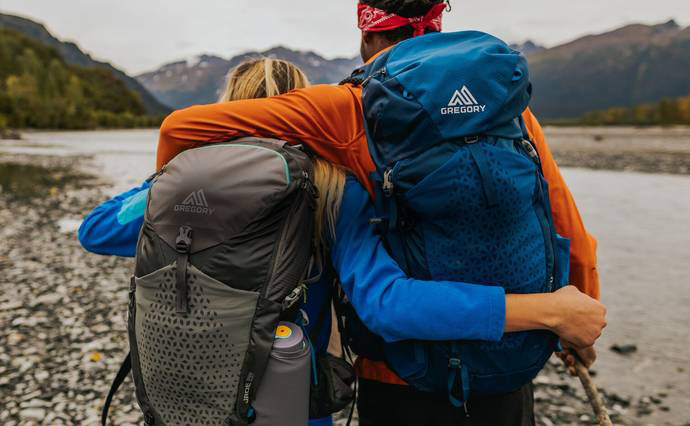
8 different hiking backpack on the road with different bags for camping , sleeping bags etc

Planning a camping trip means choosing the right backpack to haul your essentials into the wilderness. The wrong pack can turn an exciting adventure into an uncomfortable slog, while the right one makes everything feel effortless. Understanding capacity, fit, and features will transform how you approach outdoor expeditions.

Key takeaways:

  • Backpacks between 50-70 litres work best for weekend camping trips with tents and sleeping bags
  • Proper weight distribution prevents fatigue and injury on long hikes
  • External attachment points and compartments keep gear organised and accessible

How Do You Choose a Backpack for Camping?

Choosing a camping backpack starts with assessing your typical trip length and conditions. Match the capacity to your needs rather than buying the biggest option available.

Focus on suspension systems that transfer weight to your hips, not shoulders. Quality packs feature adjustable torso lengths, padded hip belts, and load lifters that fine-tune balance. Try various camping and storage solutions to test different models.

Look for ventilated back panels that reduce sweat buildup during strenuous hikes. Mesh materials or suspended designs create airflow between your back and the pack. Access points matter too; top-loading designs work well for simple packing, while panel-loading options let you reach buried items without unpacking everything.

What’s the Best Size Backpack for a Tent and Sleeping Bag?

A backpack between 50 and 70 litres handles most camping essentials comfortably. This capacity accommodates a tent, sleeping bag, cooking equipment, and clothing for multi-day trips without overloading your frame.

Weekend warriors typically need 50-60 litres, while week-long expeditions require 65-75 litres. Your gear’s bulk matters more than weight alone. Compact, lightweight equipment allows smaller packs, reducing strain on your shoulders and hips.

Body size also influences your choice. Taller hikers can manage larger volumes more easily, while petite adventurers should consider torso length and hip belt fit. Testing different sizes with weight inside reveals what feels sustainable over distance.

Read more: How to Ensure Your Hiking Backpack Fits Perfectly: Expert Guide for South African Adventurers

What Are the Big Three in Camping?

The “big three” items in backpacking are your shelter, sleeping system, and backpack itself. These three components account for the majority of your pack weight and require careful selection.

Your tent provides essential protection from weather and bugs, but can weigh anywhere from 1-3 kg depending on style and capacity. Sleeping bags and pads keep you warm through the night, with weights varying based on temperature ratings and insulation types. The backpack ties everything together, and choosing quality packs and bags means the difference between comfort and misery.

Investing in lightweight versions of these three items dramatically improves your hiking experience. Shaving off even half a kilogram from each component means 1.5 kg less strain on your body. That reduction translates to less fatigue, faster pace, and more enjoyment on the trail.

Where Should You Store Sleeping Bags in Your Pack?

Sleeping bags fit best in the bottom compartment of your backpack, and yes, they compress surprisingly well when packed correctly. This placement keeps the weight low and centred, improving balance on uneven terrain while maximising room for other gear.

Most camping backpacks feature a separate lower compartment specifically designed for sleeping bags. (For day hiking trips where you don’t need a sleeping bag, you’ll have plenty of room for other gear in the same compartment.)

The divider zipper allows access without disturbing the upper contents. Compression straps and stuff sacks reduce sleeping bag volume by up to 60% compared to standard storage bags, allowing even bulky models to fit comfortably inside your pack.

Push air out gradually while stuffing the bag randomly rather than rolling it. Rolling creates creases that damage insulation over time. Waterproof dry bags add extra insurance during rainy conditions, protecting your sleeping bag from moisture that can ruin your night’s rest. Some hikers prefer strapping sleeping bags externally to the bottom of their packs, freeing internal space for other items.

How to Pack a Tent and Sleeping Bag

Packing a tent and a sleeping bag requires strategic placement to achieve optimal weight distribution. Start by placing your sleeping bag in the bottom compartment where soft items belong.

Break your tent into components rather than keeping it in its original stuff sack. Store tent poles vertically in your pack’s interior or in side pockets, so they won’t jab you. The tent body and fly fold into the main compartment’s middle section, surrounded by clothing and soft gear.

Heavy items like food, water, and cooking equipment sit high and close to your back, keeping the centre of gravity near your body. This positioning reduces the pulling sensation that causes back strain. Light bulky items like extra clothing fill the top and outer areas.

Essential Features for Travel Backpacks

Travel backpacks that South African adventurers rely on need durability for varied terrain and climates. Reinforced stitching, water-resistant fabrics, and quality zippers withstand rough handling during transport and trail use.

Multiple access points make packing and unpacking more efficient. Front panel zippers let you open your pack like a suitcase, perfect for airport security or campsite organisation. Side pockets hold water bottles, snacks, and other essentials, so you can access them quickly without digging through your main compartment.

Attachment points for trekking poles, ice axes, or extra gear add versatility. Daisy chains and lash points let you strap on items that don’t fit inside. Hiking backpacks for South African users often include removable daypacks, giving you a lighter option for summit attempts or exploring base camp.

Backpack Maintenance and Care

Maintaining your camping backpack extends its lifespan and ensures reliable performance. Clean your pack after trips by emptying all pockets and shaking out debris, then spot-clean stains with mild soap and water.

Store backpacks loosely in cool, dry places rather than compressed in stuff sacks. Compression for extended periods damages foam padding and frame structure. Hang packs or store them partially filled with soft items to maintain their shape.

Inspect zippers, buckles, and seams regularly for wear. Small repairs with seam sealer or zipper maintenance prevent bigger problems on the trail. Many manufacturers offer repair services for damaged packs, extending their useful life by years.

Frequently Asked Questions

What is the most forgotten item when camping? The most commonly forgotten camping item is a headlamp or torch with extra batteries. People remember major gear like tents and sleeping bags, but overlook lighting until darkness falls. Pack your headlamp in an exterior pocket where you can grab it easily when setting up camp in fading light.

How do you store tents when not in use? Store tents loosely in breathable bags or hang in a dry space to prevent mildew and fabric degradation. Never store tents in their compression stuff sacks long-term, as this damages waterproof coatings. Clean and dry tents completely before storage to avoid mould growth.

How much should a fully loaded camping backpack weigh? A fully loaded camping backpack should weigh no more than 20-25% of your body weight for comfortable hiking. A 75kg person carries 15-19kg maximum, including water and food. Lighter is always better for reducing fatigue and preventing injury on multi-day treks.

Can hiking backpacks be used for travel? Hiking backpacks work well for adventure travel, but lack the organisation features of dedicated travel packs. They excel on trails and rough terrain, but may be less convenient for frequent packing and unpacking at hostels or hotels. Some models bridge the gap with hybrid designs suitable for both purposes.

How do you attach a tent to the outside of a backpack? Attach tents to the bottom of your backpack using compression straps or lash points. Break the tent into sections with poles stored vertically along the sides. Keep the tent body and fly in waterproof stuff sacks to prevent moisture from spreading to other gear during rainy conditions.

Pack Smart, Camp Better

Selecting the right camping backpack transforms your outdoor experiences from exhausting slogs into enjoyable adventures. The capacity, fit, and features you choose directly impact your comfort on the trail and your ability to stay organised at camp.

A properly fitted pack between 50-70 litres handles weekend trips comfortably, while strategic packing of your big three items—shelter, sleeping system, and pack—reduces fatigue. Placing sleeping bags in bottom compartments, breaking tents into manageable sections, and keeping heavy items high and close to your back create ideal weight distribution.

Gregory Packs offers camping backpacks designed specifically for South African adventurers tackling diverse terrain and conditions. Quality suspension systems, durable materials, and thoughtful features make the difference between merely surviving your trip and truly enjoying every moment in nature.

Gregory gets Hitched in Turkey

Jordan Deall from Hitched, Gregory Baltoro 75 Litre Hiking backpack

Traveling can be rather unusual at times. Constantly on the move, it often just feels like an bizarre blending of different cultures and peoples. Experiences begin to merge into a strange passing of place and time. Things from a month ago suddenly feel like faded memories, but then there’s also small things like a handshake or nap in the shade of a particular tree that stick like vivid pictures in the mind.

You’re neither here nor there, and the longer you travel the more that becomes reality. Home becomes distant, and foreigness becomes normal.

That’s why I think it’s difficult to say that I’ve had a favourite place I’ve travelled through. Perhaps though, in it’s passing, it is the place you remember most. And if that is the case, then Turkey would probably be it. It’s the kind of place your mind imagines living in.

The many picnics on patches of grass with children playing loudly, their father’s making huge meat dishes over smoking fires, their mothers pouring endless chai. Soccer games enthusiastically cheered by passersby. Tight alleys lined with old men engaged in games of dominos. Coffee conversations in broken English. Bustling markets at two in the morning. Couples eating ice-creams, dipped in chocolate and sprinkled with nuts. Strangers sharing watermelon, more red than pink, with hardly any seeds. Friendly smiles on trains and buses. The kind park robber who returned our passport…

These are things I will remember.

Gregory Gets Hitched in the Sudan

Luke MacDonald from Hitched, Gregory Zulu 65L Backpack through Sudan

After the whirlwind of Ethiopia where we were seperated and struggled to find each other due to an internet blackout during an attempted coup, Sudan is, according to media reports, supposed to be even worse.

Khartoum is in the middle of a civil uprising, and things have become so bad that it’s being dubbed ‘a massacre’ around the world. Because of limited visas options we have no choice but to pass through, and so we desperately sell some camera gear before we enter, so as not to look like a bunch of undercover journalists.

Yet when we enter Sudan we’re totally surprised, and we’re taught a lesson in the true goodness of humanity. Despite the unrest people are the most hospitable we’ve ever encountered. We’re reminded how different people are from their politics, and how people can unite in times of difficulty. It truly is profound, and we leave Khartoum both challenged and humbled.

In terms of travel, the conflict is quite isolated to specific areas and the rest of our passage is a relatively easy procedure. There are many military check points, but we aren’t hassled too much. Just an endless amount of searches and document clarifications.

But the desert is gruelling and by the time we reach Egypt we’re physically broken. The last stretch of Sudan is a blurr of heat, sand and thirst, with our only respite the occasional crossing of the winding river nile.

Arriving in Egypt, we’re close to finishing the length of Africa and I’m reminded of the oddity of our first lift in Namibia – an Egyptian man selling carpets. Now four months later we’re in his country, walking through the same markets he gets his supply from. Life is a strangely woven tapestry.

So far it’s been simultaneously slow, and yet time has also flown by. Most of all it’s just a strange feeling to have finished a Cape to Cairo, yet know you’re only at the half way point of a trip.

Gregory Gets Hitched in Kenya

Luke MacDonald from Hitched, Gregory Zulu 65L Backpack

After cruising through Zambia and Tanzania along the trucking and train routes, we arrive in Kenya, crossing in the far South East corner of the coastline, after a long beach walk that ended with me falling off a rocky cliff and a mild concussion.

I’m still a bit sore and walking is painful on my cut up feet. Jordan has kindly taken some of my stuff, as he has a bigger pack, so I can’t complain too much.

That said, when he and Don and suggest getting cheap bicycles to cross a section of Kenya, I’m not in the mood. But they convince me quickly, mainly because my ego isn’t about to say I’m not up to it.

Our first task is making them rideable with the backpacks. Jordan’s choice is a ridiculous bike, but nonetheless helpful. It’s a three wheeler, with a grotesque looking cage at the back. It’s slow and has no gears or any worthwhile features. These are old bikes, but at least he’s able to take his own bag as well as Don’s, which will free him up to film.

My bike is an epic, elegant, old-school yellow back-break bicycle, topped with an amazing pair of shimmering tassels. It’s glorious, yet we have to make some small alterations. Mainly, attaching a wooden board behind the seat which I can in turn strap my bag to. It’s not a proper cycling rig and so I’m a bit top heavy, but we’re not rushing anywhere with Jordan’s absolute donkey wagon, so it’ll do the trick.

It’s slow travel, and the wind is against us almost the entire time, but the weeks that proceed are some of the best of the trip. We can suddenly go wherever we want – we have wheels. It’s just fast enough to feel like you’re moving, but slow enough to see ecerything. Best of all you can stop whenever you want. It’s also the perfect speed for human interaction and so we’re blessed with some of our best moments of our journey, as we continually bump into people and are invited in for meals or a bed for the night.

In the end I’m thankful for my ego, and once again another thing is added to the ‘to do travel list’ – a long cycling trip. At least 3 months I tell myself.

Gregory Gets Hitched in Botswana

Gregory Mountain Products - Great packs should be worn, not carried. Gregory Mountain Products deliver quality backpacks for hiking, backpacking, and travel. www.gregorypacks.co.za |

Midway through Botswana I find myself promising that I’ll have to come back here once this trip is over. It feels a bit like an unfinished visit.

Growing up in Africa you often take nature for granted, however my last job working on a film project in the Sabi Sands, Kruger National Park, has recently rekindled my love for ‘the bush’ all over again.

Here in Botswana there’s something special though – a relationship between humans and nature that I’ve never experienced before. An understanding of the importance of preserving wildlife, and living side by side with wild animals. An almost deep knowing of our interconnectedness.

It’s too much to put in limited words here, but my feelings are summed up on our last night camping just outside the Zambian border, about one kilometre from the outskirts of the nearby town.

It’s about 2 am when I’m woken by the sounds of cracking branches. I immediately know it’s elephants from the strong, yet very deliberate and almost delicate snaps. I freeze. The rain sheet of our tent is off and through the mosquito mesh, aided by a near full moon, I can see quite well.

I sit up slowly and see that Jordan is already up. His eyes are big. As big as mine. I’m about to whisper to him when suddenly the moon disappears. A towering black mass against the dark blue sky sways gently in front of us. I feel tiny. Somewhat squashable. I move only my neck so as to face her straight on – I’m sure it’s the matriarch of the herd, and she’s here to suss us out. I can hear Jordan’s breathing quicken.

Neither of us is afraid, but we also know this could always go ‘bad’. It’s very unlikely, but the potential is always there.

Five minutes later and she’s okayed our presence. Suddenly we’re surrounded by the herd. We watch for about half an hour, feeling a oneness with nature I’ve felt very rarely.

It’s a surreal moment that is suddenly broken by Don snoring. For a moment Jordan and I again hold our breaths, not sure if it will upset them.

But in a truly hilarious response they begin to grumble back as only elephants can. We muffle our laughs, which also join the belly chorus. The elephants are totally fine with us being there, and they almost come past one by one to check us out. Even the little ones, their curious trunks almost brave enough to touch the tent.

They’ve become so relaxed we can move quite freely now, and so we wake up Don to share the experience.

5 Tips for a Successful Group Hiking/Camping Trip

Gregory Mountain Products - Great packs should be worn, not carried. Gregory Mountain Products deliver quality backpacks for hiking, backpacking, and travel. www.gregorypacks.co.za |

The summer season is upon us, which means it’s time to break free from our computer screens and 9-to-5 workweeks and rally a few of our best buddies to head for the outdoors. Dust off your backpack and hiking boots and swap the hustle and bustle of city life for breathing in the crisp mountain air and trading stories around the campfire while beer, whiskey, and s’mores abound.

Let’s be honest—even the best of friends can drive each other crazy on a camping trip, but the point of getting together with your camping buddies is to have fun together, right? Here are our five best tips for planning the ultimate group camping and hiking trip to keep the good vibes going the whole time.

1. Assign a Leader

Gregory Mountain Products - Great packs should be worn, not carried. Gregory Mountain Products deliver quality backpacks for hiking, backpacking, and travel. www.gregorypacks.co.za |

Decide ahead of time who will take on the role of leader of the group. Photo: Tobias Mrzyk

Maybe the leader is the person who first thought of the trip. Or maybe it’s the Type A personality who thrives on planning. Either way, whoever steps up should be in charge of group logistics, planning, and decision making. While group input is valuable and encouraged, the leader is ultimately the one calling the shots. Flexibility in group decisions is important and group discussion is encouraged, so we’re not suggesting a dictator, but when decision paralysis sets in, it’s helpful to have one person designated to make the final choice.

Some of the things the leader is responsible for:

  • Working out the logistics. Consider planning a group trip during times of low visitation, usually in spring and fall, or mid-week if everyone can get time off work.
  • Narrowing down the choices and choosing a location. Seek out group campsites for larger groups and make sure your group fits within the size limits of the place you plan to visit. These limits help minimize damage to the environment.
  • Booking reservations and applying for permits. Some fill six months or a year in advance, so you’ll want to check well in advance.

2. Plan Your Meals Ahead of Time

Arguably the most stressful part of any group outing is making sure everyone has enough to eat. Hanger is a real phenomenon and can put even the strongest relationships to the test. The group’s meals and food planning should take place well in advance of the trip, and ideally one or two people might step up to lead the food charge. For the person brave enough to tackle this role for their group, remember to keep it simple. Plan meals that don’t involve a ton of preparation and prep as much of the food before the trip as possible.

Easy breakfast ideas include eggs, bagels, or oatmeal, while lunch can be your basic PB&Js or deli-style sandwiches. Keep dinner simple with meals like burritos, pasta, or stir-fry. The adventurous foodie is always welcome to prepare meals more gourmet than those outlined above, just remember to never keep your group waiting after a long day of adventure while you prep a five-star meal. (Tip: Chips, salsa, and hummus go a long way to keep a hungry group happy.)

3. Embrace Downtime

Gregory Mountain Products - Great packs should be worn, not carried. Gregory Mountain Products deliver quality backpacks for hiking, backpacking, and travel. www.gregorypacks.co.za |


Depending on the personalities in your group, you may want to plan for some downtime, especially at night. Photo: Jaanus Jagomägi

Not every second of a trip has to be filled with high-adrenaline activities or achieving lofty goals. Moments of downtime offer some of the best chances to build relationships and experience the inevitably quirky vibe that emerges from lounging around camp. Be sure to pack things like decks of cards, copious amounts of everyone’s favorite libations, travel guitars or ukuleles, and any other camp entertainment that you can think of.

4. Be Honest About Your Abilities

Gregory Mountain Products - Great packs should be worn, not carried. Gregory Mountain Products deliver quality backpacks for hiking, backpacking, and travel. www.gregorypacks.co.za |


If there are multiple ability levels, consider splitting up into smaller groups so that everyone has a good time and can go at their own pace. Photo: Nick

When your group heads out for a hike, climb, or bike ride, ask everyone in the group to be honest and open about their ability levels. One strategy that works well is to acknowledge your differences and split into different groups each day based on ability level or what people want to accomplish. Ultimately, this provides more fuel for campfire entertainment as each group recounts their day.

5. Practice Leave No Trace

Gregory Mountain Products - Great packs should be worn, not carried. Gregory Mountain Products deliver quality backpacks for hiking, backpacking, and travel. www.gregorypacks.co.za |

Always make sure that your campfire is completely out before leaving it. William Woodward, Gregory Ambassador

Large groups inherently create more of an impact on the environment, including more vegetation trampling around camp or on trails, larger fire scars, and social impacts to other visitors. Here are a few Leave No Trace tips to help protect your favorite places, ensuring your group can make the trip an annual tradition.

  • Package food into reusable containers. It will minimise how much waste you bring on your trip and how much waste you’ll have to haul out.
  • Minimize damage to campsite vegetation by choosing sites large enough for your group. Set up your tents and kitchen areas in places with no living vegetation.
  • Pack out all trash and food scraps. Burning trash and food scraps isn’t recommended because it can attract wildlife and introduce toxic chemicals into the surrounding environment.
  • Campfires are awesome, just make sure they are completely out before going to bed or leaving camp. Last year, 84% of wildfires were caused by humans, which means it’s up to us to prevent them. Drown your fire with water until the ashes are cool to the touch. If it’s still smoldering continue to douse with water.

Group trips are a sure fire way to start annual traditions, strengthen friendships, and build new connections while getting to enjoy the great outdoors. By keeping trips simples, entertaining, and relaxing, you’ll create an experience that will last a lifetime.

Written by Aaron Hussmann for RootsRated in partnership with Gregory Mountain Products.
Featured image provided by Gregory Mountain Products

FREE DELIVERY & RETURNS for orders over R1000 anywhere in South Africa. Details