


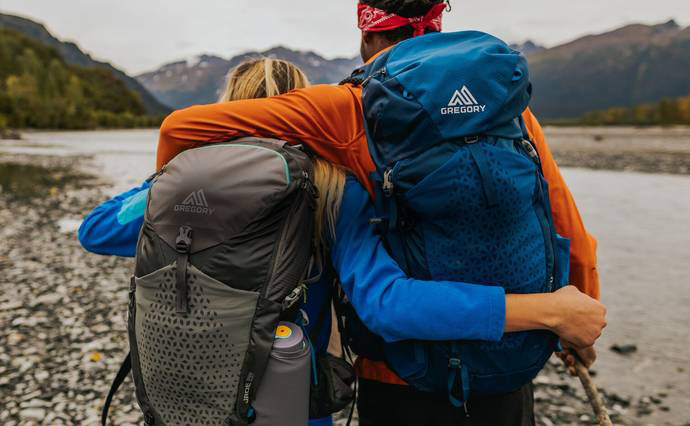

“Of all the paths you take in life, make sure a few of them are dirt.” ~ John Muir
Picture yourself standing at a trailhead as the sun dips below the horizon, your headlamp casting dancing shadows on the path ahead. This moment captures the essence of one of hiking’s most fascinating debates: should you explore South Africa’s magnificent trails under the blazing sun or beneath a canopy of stars?
The choice between day and night hiking shapes every aspect of your outdoor experience, from the gear you carry to the memories you create. Each approach offers unique rewards and challenges that can transform how you connect with nature.
Key takeaways from this guide:
- Day hiking provides safety, accessibility, and rich visual experiences, perfect for beginners
- Night hiking offers solitude, cooler temperatures, and profound sensory adventures
- Safety preparation strategies differ dramatically between day and night excursions
- Your gear selection, including your hiking backpack, should match your chosen adventure style
What Makes Day Hiking the Perfect Starting Point?
Day hiking offers immediate rewards with minimal commitment. You start fresh in the morning, enjoy clear visibility throughout your journey, and return home before dark.
South Africa’s day hiking scene thrives across diverse landscapes. From the accessible Constantia Nek trails in Cape Town to the dramatic amphitheatre walls in the Royal Natal National Park, day hikes showcase our country’s natural beauty without requiring overnight gear or extensive planning.
The benefits stack up quickly. Clear visibility means safer navigation and better wildlife spotting opportunities. Photography enthusiasts capture stunning landscapes under natural light. Temperature management becomes easier when you can see weather changes approaching from miles away.
Most importantly, day hiking welcomes beginners. New hikers build confidence on familiar terrain during daylight hours. Families with children find day hikes more manageable than extended adventures. The predictable timeline reduces anxiety for those new to outdoor exploration.
Why Are More Hikers Embracing Night Adventures?
Night hiking transforms familiar trails into completely new experiences. Cooler temperatures make summer hiking tolerable in South Africa’s often intense climate.
The sensory shift captivates many hikers. Your hearing becomes more acute in the darkness. Night sounds – from the haunting call of a Spotted Eagle-Owl to the rustle of small mammals – create an immersive soundscape rarely noticed during busy daylight hours.
Solitude seekers find a gentle peace on night trails. Popular daytime routes become quiet sanctuaries after sunset. The absence of crowds allows for a deeper connection with nature and genuine introspection that many hikers crave in our hyper-connected world.
Stargazing opportunities in South Africa rank among the world’s best, especially in areas with minimal light pollution like the Karoo or Drakensberg Mountains. Clear night skies reveal the Southern Cross and Milky Way in spectacular detail that no photograph can truly capture.
How Do Your Senses Transform After Sunset?
Something magical happens the moment darkness falls. Your familiar world dissolves into shadow, and suddenly you’re alive in ways you never thought possible.
Your eyes, those reliable companions that guided every daytime step, now betray you. But this isn’t a loss – it’s an awakening. As vision fades, your other senses surge forward like sleeping giants stirring to life.
Listen. Really listen. The crunch of your boots on ancient granite becomes a conversation between you and the mountain. Wind whispers secrets through the fynbos that you never heard in daylight’s chaos. That distant brook transforms from background noise into your North Star, calling you forward through the darkness.
Your skin becomes electric. Cool air pools in hidden valleys while ridge lines hold the day’s last warmth against your cheeks. Each breath carries stories – the sweet perfume of blooming proteas, the earthy promise of rain still hours away, the wild musk of animals moving unseen through the bush.
The first few minutes feel unsettling. Your mind may protest this sensory revolution, reaching desperately for the visual cues that no longer exist. But stay patient. Within half an hour, something extraordinary happens – you realise you’ve been hiking blind your entire life.
What Safety Strategies Work Best for Each Adventure Type?
Day Hiking Safety Essentials
Day hiking safety focuses on preparation and awareness during peak activity hours. Heat stroke prevention becomes essential in South Africa’s climate.
- Temperature management: Start early to avoid peak heat, carry adequate water (2-3 litres), and wear sun protection
- Weather monitoring: Watch for afternoon thunderstorms in mountainous regions and plan flexible routes
- Navigation advantages: Use clear visibility to spot trail markers, identify landmarks, and avoid dangerous terrain
- Wildlife awareness: Take advantage of daylight to spot potentially dangerous animals from a safe distance
- Emergency preparedness: Carry basic first aid supplies and an emergency whistle for signalling help
Night Hiking Safety Protocols
Night hiking safety demands completely different strategies with emphasis on preparation and redundancy. Route familiarity becomes non-negotiable – never attempt unfamiliar trails in darkness.
- Route selection: Only hike trails you know well from previous daytime visits
- Communication plan: Inform multiple people about your plans, including expected return times and emergency contacts
- Lighting redundancy: Carry multiple light sources – reliable headlamp, backup flashlight, and emergency light
- Power backup: Pack fresh batteries and backup power sources to prevent dangerous equipment failures
- Group safety: Hike with companions for multiple light sources, assistance, and emergency support
Weather Considerations for Each Type
Weather awareness intensifies differently depending on your hiking schedule. Each adventure type faces unique meteorological challenges.
- Day hiking weather risks: Heat exposure, UV radiation, afternoon thunderstorms, and rapid temperature changes
- Night hiking weather challenges: Temperature drops after sunset, changing wind patterns, and sudden loss of moonlight
- Seasonal planning: Winter offers longer darkness but colder temperatures; summer provides warmth but shorter night windows
- Emergency shelter: Night hikers should carry a lightweight emergency shelter for unexpected weather changes
- Clothing layers: Night adventures require more insulation options as temperatures drop significantly after dark
Day vs Night Hiking Gear Prep
Day hiking gear prioritises lightweight efficiency and easy access. Your hiking backpack should accommodate water, snacks, first aid supplies, and weather protection without unnecessary bulk.
Essential day hiking items include sufficient water (typically 2-3 litres in South African conditions), energy-rich snacks, sun protection, a basic first aid kit, and an emergency whistle. A lightweight rain jacket handles unexpected weather changes.
Night hiking demands more preparation. Your pack needs space for additional lighting equipment, extra layers for temperature changes, and backup navigation tools. Emergency gear becomes more important when rescue operations face darkness complications.
Specialised night gear includes multiple light sources, extra batteries, insulating layers, an emergency shelter, and backup navigation tools like a compass and offline maps. Some hikers carry emergency communication devices for remote areas.
| Day Hiking Essentials | Night Hiking Additions |
| Water (2-3 litres) | Extra batteries/power bank |
| Energy snacks | Multiple light sources |
| Sun protection | Insulating layers |
| Basic first aid kit | Emergency shelter |
| Rain jacket | Backup navigation tools |
| Emergency whistle | Emergency communication device |
The capacity requirements differ, too. Day hikes typically require 20-30 litre packs, while night adventures often need 35-50+ litre capacity to accommodate additional safety gear and clothing layers.
Organisation becomes more important at night. External pockets and compartments allow quick access to frequently needed items like lights, snacks, or extra batteries without removing your pack in darkness.
Best Hiking Backpacks for South African Adventures
The Gregory Baltoro 75 is a highly durable and spacious hiking backpack designed for multi-day trips, featuring a 75-litre capacity and a sophisticated Response AFS suspension system that provides excellent comfort and weight distribution. It is made with tough yet lightweight materials, including ripstop nylon and aluminium internal framing, ensuring both robustness and comfort for heavy loads. At the same time, its ergonomic design and numerous pockets offer versatile gear organisation.
The Gregory Jade 38 RC XS-SM is a women’s specific hiking backpack that offers a perfect balance of lightweight design and ample storage capacity with 38 litres. It includes Gregory’s Response AFS suspension system for enhanced comfort, and a weather-resistant build, making it ideal for day hikes or short overnight trips where mobility, support, and convenience are key.
When Are The Best Times For Night Hiking?
Full moon periods offer the best natural lighting for night hiking beginners. The moon provides enough light to see trail markers and major obstacles while still maintaining the night hiking atmosphere.
Early evening hikes work well for those new to dark hiking. Starting 1-2 hours before sunset allows your eyes to adjust gradually as natural light fades.
Pre-dawn adventures combine the benefits of night hiking with the rewards of sunrise. Starting 2-3 hours before sunrise provides the full night experience while ending with spectacular daybreak views.
Seasonal considerations in South Africa affect night hiking conditions. Winter months offer longer darkness periods but colder temperatures. Summer nights provide warmth but shorter darkness windows and potential thunderstorms.
Moon phase calendars help plan optimal timing. New moon periods offer the darkest skies for stargazing but require complete reliance on artificial lighting. Quarter moons provide moderate natural light with good star visibility.
Which South African Trails Suit Each Hiking Style?
Day hiking trails span the country’s diverse landscapes. Table Mountain’s India Venster route challenges experienced hikers, while Platteklip Gorge welcomes beginners. The Drakensberg’s Tugela Falls trail offers spectacular scenery with moderate difficulty.
Coastal trails like the Robberg Peninsula in Plettenberg Bay provide stunning ocean views and manageable distances. The West Coast National Park offers flat terrain perfect for families and wildlife viewing opportunities.
Night hiking requires more careful location selection. Familiar trails near urban areas provide safety advantages for beginners. The Constantia Nek to Kirstenbosch route offers well-marked paths close to civilisation.
Mountain trails demand experience and preparation for night attempts. The Lion’s Head hike in Cape Town has become popular for sunset and night adventures, though crowds can compromise the solitude many night hikers seek.
Desert regions like the Karoo provide exceptional stargazing opportunities but require careful planning for temperature extremes and navigation challenges in remote areas.
Frequently Asked Questions
Is night hiking safe for beginners? Night hiking can be safe for beginners who choose familiar, well-marked trails close to populated areas and hike with experienced companions. Start with short routes you know well from daytime hikes.
What’s the biggest difference in gear between day and night hiking? Lighting equipment represents the most significant difference. Night hiking requires multiple light sources, extra batteries, and backup illumination, while day hiking focuses on sun protection and lightweight efficiency.
How do I train my eyes for night hiking? Avoid bright lights for 30-45 minutes before starting your hike. Use red-filtered light when possible, as it preserves night vision better than white light. Allow time for your eyes to adjust gradually.
Can I use the same backpack for both day and night hiking? A versatile hiking backpack can work for both, but night hiking typically requires a larger capacity (35-50L vs 20-30L) to accommodate additional safety gear, lighting equipment, and extra layers.
What weather conditions should I avoid for night hiking? Avoid night hiking during thunderstorms, heavy rain, high winds, or when temperatures drop below your gear’s comfort range. Cloudy conditions that eliminate moonlight make navigation more challenging for beginners.
Which Do You Prefer?
Both day and night hiking offer unique pathways to explore South Africa’s incredible natural heritage. Day adventures provide accessibility, safety, and visual splendour that welcome newcomers and families. Night excursions deliver solitude, sensory richness, and celestial displays that create unforgettable memories.
Your choice depends on personal preferences, experience level, and adventure goals. Many hikers discover that alternating between day and night experiences provides the most complete appreciation of our diverse landscapes.
Start with familiar trails, invest in proper preparation, and respect the unique challenges each adventure style presents. South Africa’s trails await your exploration, whether under blazing sun or twinkling stars.