


Backpacking, Gregory Products, Hiking, Solo Travel, Tips & Tricks, Travel
Car Camping vs Backcountry: Which Gregory Pack Fits Your Adventure?
Dec
Shoulder straps cutting into your neck after just 20 minutes of hiking signals you’ve chosen the wrong pack for your adventure type. Can you imagine lugging a 70-litre behemoth on a weekend car camping trip, or heading into the wilderness with a daypack that can’t hold your essentials?
Here’s what you’ll master after reading this guide: how to match Gregory pack sizes to your camping style, which features matter most for each adventure type, the weight considerations that make or break your comfort, and exactly how to choose between car camping convenience and backcountry minimalism.
What’s The Difference Between Car Camping And Backcountry Camping?
Car camping means setting up camp within walking distance of your vehicle, while backcountry camping requires hiking to remote locations where you carry everything on your back.
This fundamental difference shapes every gear decision you’ll make.
Car camping offers the convenience of driving directly to established campsites with facilities like toilets, water taps, and sometimes even electricity. You can bring heavy, comfortable gear because you’re only carrying it from your boot to your pitch. Backcountry camping strips away these luxuries, demanding self-sufficiency in remote wilderness areas where every item must justify its weight and space in your pack.
How Big Should Your Pack Be?
Car camping requires 40-60 litre packs, while backcountry adventures need 50-80 litres, depending on trip duration. The key difference lies in how much gear you can leave in your vehicle versus what you must carry on your back.
Car camping offers the luxury of proximity to your vehicle. You’re not carrying everything for miles, so comfort trumps weight savings. A 40-50 litre pack handles weekend essentials beautifully, while 60-litre options work for extended stays or family trips where you’re carrying extra gear.
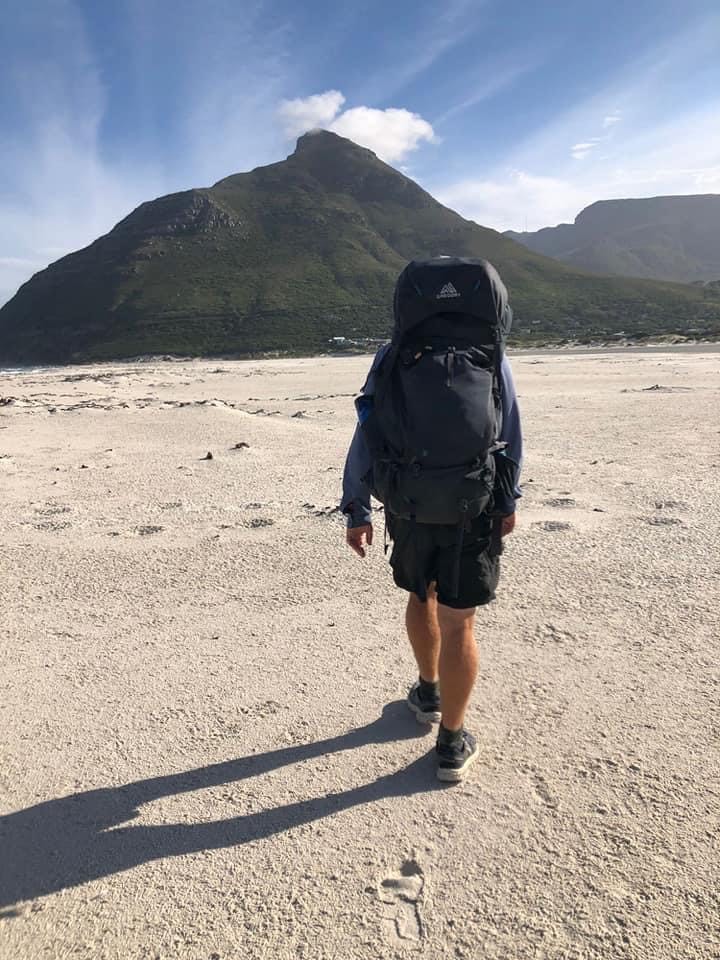
Backcountry camping demands different mathematics. Every gram counts when you’re hiking 10+ kilometres with your home on your back. Start with 50-60 litres for overnight trips, scaling up to 70-80 litres for week-long adventures or winter conditions requiring bulky gear.
What Backpack Features Matter Most?
Car camping packs prioritise organisation and accessibility, while backcountry models focus on weight distribution and weather protection. Understanding these priorities helps you avoid paying for features you won’t use.
For car camping, multiple compartments and external pockets shine. You’ll appreciate easy access to frequently used items without unpacking your entire load. Side pockets for water bottles, front panels that unzip completely, and dedicated sleeping bag compartments make camp setup effortless.
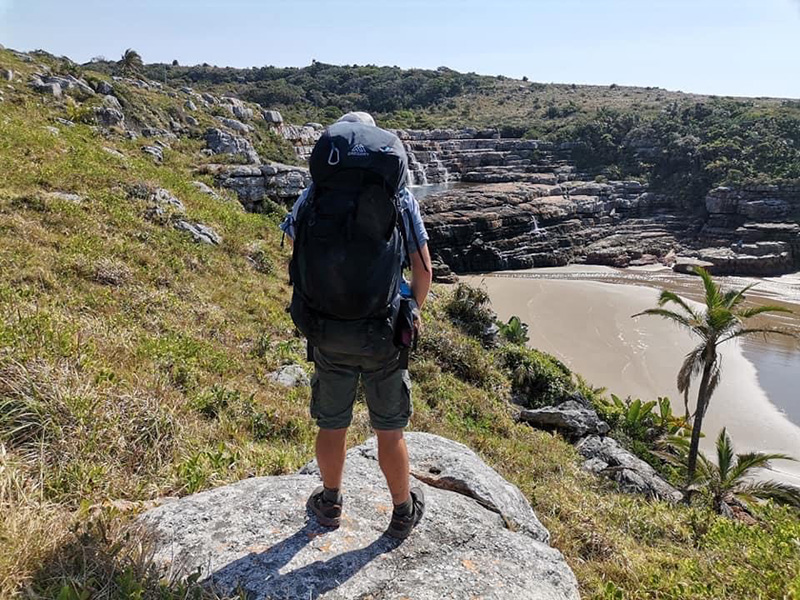
Backcountry packs emphasise different strengths. Advanced suspension systems distribute weight effectively across long distances. Compression straps reduce bulk when partially loaded. Rain covers and water-resistant fabrics protect your gear during unexpected weather changes.
Read more: How to Ensure Your Hiking Backpack Fits Perfectly: Expert Guide for South African Adventurers
Weight vs Durability Trade-offs
Backcountry packs use lighter materials that may sacrifice some durability, while car camping allows for heavier, more robust construction. Your choice depends on how much abuse your pack will endure.
Car camping packs can afford heavier fabrics and more substantial zippers. You’re not carrying them for hours, so the extra weight brings benefits in longevity and weather resistance. These packs often feature reinforced bottoms and thicker shoulder straps.
Backcountry models strip away unnecessary weight through advanced materials and streamlined designs. Ripstop nylon replaces heavier canvas. Aluminium frames substitute for steel. Every component gets scrutinised for the weight-to-function ratio.
| Pack Type | Ideal Volume | Weight Range | Key Features |
| Car Camping | 40-60L | 2.5-4kg | Multiple compartments, easy access panels |
| Day Hiking | 20-35L | 1-2kg | Hydration compatibility, lightweight frame |
| Overnight Backpacking | 50-65L | 2-3kg | Compression straps, rain cover |
| Extended Backcountry | 65-80L | 2.5-3.5kg | Advanced suspension, ultralight materials |
How to Choose for Festive Season Adventures
Festive season camping often combines elements of both styles, requiring versatile packs that handle varied conditions and longer trips. Consider 55-65 litre options that balance car camping comfort with backcountry capability.
December and January camping in South Africa presents unique challenges. You might start with car camping at established sites, then venture into backcountry areas for New Year’s adventures. The weather can shift from scorching days to chilly mountain nights.
Medium-sized packs (55-65 litres) excel during festive season trips. They’re large enough for extended stays but manageable for day hikes from base camp. Look for packs with removable daypacks or expandable main compartments.
Suspension Systems Explained
How do different suspension systems affect comfort? Car camping allows for basic suspension since carrying distances are short, while backcountry demands advanced systems that transfer weight to your hips effectively.
Basic suspension systems work perfectly for car camping. Simple shoulder straps and basic back panels provide adequate comfort for short carries from vehicle to campsite, and short day hikes in between. The money saved can go towards other camping gear.
Advanced suspension becomes essential for backcountry use. Look for adjustable torso lengths, load-lifter straps, and padded hip belts that carry 80% of the pack’s weight. Quality suspension systems prevent the back pain that ruins multi-day adventures.
Storage and Organisation Options
Which storage features actually improve your camping experience? The answer depends on whether you need quick access at an established campsite or streamlined packing for trail efficiency.
Car camping benefits from maximum organisation. Multiple external pockets keep essentials accessible. Internal dividers separate clean clothes from dirty ones. Sleeping bag compartments prevent compression of other gear.
Backcountry packing favours simplicity. Too many compartments add weight and complexity. Focus on one large main compartment with strategic external attachments for frequently accessed items like snacks and navigation tools.
Read more: Pack Care & Cleaning
FAQ
What’s the minimum pack size for car camping? A 30-litre pack covers basic weekend car camping needs for minimalist campers. Most people find 40-50 litres more comfortable for carrying extra clothes, food, and comfort items without feeling cramped.
Can I use a backcountry pack for car camping? Backcountry packs work excellently for car camping, though you’ll pay extra for weight-saving features you don’t need. The advanced comfort systems actually make them superior for longer camping trips where you’re moving between sites.
How much should a loaded pack weigh? Car camping packs can weigh 15-20kg without major discomfort due to short carrying distances. Backcountry loads should stay under 25% of your body weight, typically 12-18kg for most people, to maintain hiking enjoyment.
What’s the difference between men’s and women’s packs? Women’s packs feature shorter torso lengths, narrower shoulder straps, and hip belts designed for different body shapes. Men’s packs accommodate broader shoulders and longer torsos, though many unisex designs work well for both.
Should I buy separate packs for different trip types? One versatile 55-65 litre pack handles both car camping and backcountry adventures for most people. Only frequent backpackers who do both ultralight day hikes and extended expeditions benefit from multiple specialised packs.
Which Is Your Perfect Pack?
The choice between car camping and backcountry determines everything about your pack selection. Car camping rewards comfort and organisation, while backcountry demands weight consciousness and advanced suspension. Festive-season adventures often blend both styles, making medium-sized, versatile packs ideal for South African conditions.
Gregory Packs offers the perfect solution for every camping style, from weekend car camping escapes to serious backcountry expeditions. Their camping and storage range covers car camping needs, while their complete packs collection ensures you’ll find the ideal backcountry companion.