


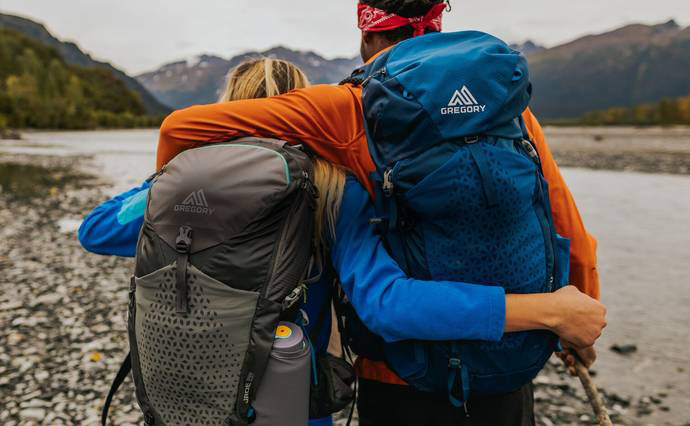

Planning a camping trip means choosing the right backpack to haul your essentials into the wilderness. The wrong pack can turn an exciting adventure into an uncomfortable slog, while the right one makes everything feel effortless. Understanding capacity, fit, and features will transform how you approach outdoor expeditions.
Key takeaways:
- Backpacks between 50-70 litres work best for weekend camping trips with tents and sleeping bags
- Proper weight distribution prevents fatigue and injury on long hikes
- External attachment points and compartments keep gear organised and accessible
How Do You Choose a Backpack for Camping?
Choosing a camping backpack starts with assessing your typical trip length and conditions. Match the capacity to your needs rather than buying the biggest option available.
Focus on suspension systems that transfer weight to your hips, not shoulders. Quality packs feature adjustable torso lengths, padded hip belts, and load lifters that fine-tune balance. Try various camping and storage solutions to test different models.
Look for ventilated back panels that reduce sweat buildup during strenuous hikes. Mesh materials or suspended designs create airflow between your back and the pack. Access points matter too; top-loading designs work well for simple packing, while panel-loading options let you reach buried items without unpacking everything.
What’s the Best Size Backpack for a Tent and Sleeping Bag?
A backpack between 50 and 70 litres handles most camping essentials comfortably. This capacity accommodates a tent, sleeping bag, cooking equipment, and clothing for multi-day trips without overloading your frame.
Weekend warriors typically need 50-60 litres, while week-long expeditions require 65-75 litres. Your gear’s bulk matters more than weight alone. Compact, lightweight equipment allows smaller packs, reducing strain on your shoulders and hips.
Body size also influences your choice. Taller hikers can manage larger volumes more easily, while petite adventurers should consider torso length and hip belt fit. Testing different sizes with weight inside reveals what feels sustainable over distance.
Read more: How to Ensure Your Hiking Backpack Fits Perfectly: Expert Guide for South African Adventurers
What Are the Big Three in Camping?
The “big three” items in backpacking are your shelter, sleeping system, and backpack itself. These three components account for the majority of your pack weight and require careful selection.
Your tent provides essential protection from weather and bugs, but can weigh anywhere from 1-3 kg depending on style and capacity. Sleeping bags and pads keep you warm through the night, with weights varying based on temperature ratings and insulation types. The backpack ties everything together, and choosing quality packs and bags means the difference between comfort and misery.
Investing in lightweight versions of these three items dramatically improves your hiking experience. Shaving off even half a kilogram from each component means 1.5 kg less strain on your body. That reduction translates to less fatigue, faster pace, and more enjoyment on the trail.
Where Should You Store Sleeping Bags in Your Pack?
Sleeping bags fit best in the bottom compartment of your backpack, and yes, they compress surprisingly well when packed correctly. This placement keeps the weight low and centred, improving balance on uneven terrain while maximising room for other gear.
Most camping backpacks feature a separate lower compartment specifically designed for sleeping bags. (For day hiking trips where you don’t need a sleeping bag, you’ll have plenty of room for other gear in the same compartment.)
The divider zipper allows access without disturbing the upper contents. Compression straps and stuff sacks reduce sleeping bag volume by up to 60% compared to standard storage bags, allowing even bulky models to fit comfortably inside your pack.
Push air out gradually while stuffing the bag randomly rather than rolling it. Rolling creates creases that damage insulation over time. Waterproof dry bags add extra insurance during rainy conditions, protecting your sleeping bag from moisture that can ruin your night’s rest. Some hikers prefer strapping sleeping bags externally to the bottom of their packs, freeing internal space for other items.
How to Pack a Tent and Sleeping Bag
Packing a tent and a sleeping bag requires strategic placement to achieve optimal weight distribution. Start by placing your sleeping bag in the bottom compartment where soft items belong.
Break your tent into components rather than keeping it in its original stuff sack. Store tent poles vertically in your pack’s interior or in side pockets, so they won’t jab you. The tent body and fly fold into the main compartment’s middle section, surrounded by clothing and soft gear.
Heavy items like food, water, and cooking equipment sit high and close to your back, keeping the centre of gravity near your body. This positioning reduces the pulling sensation that causes back strain. Light bulky items like extra clothing fill the top and outer areas.
Essential Features for Travel Backpacks
Travel backpacks that South African adventurers rely on need durability for varied terrain and climates. Reinforced stitching, water-resistant fabrics, and quality zippers withstand rough handling during transport and trail use.
Multiple access points make packing and unpacking more efficient. Front panel zippers let you open your pack like a suitcase, perfect for airport security or campsite organisation. Side pockets hold water bottles, snacks, and other essentials, so you can access them quickly without digging through your main compartment.
Attachment points for trekking poles, ice axes, or extra gear add versatility. Daisy chains and lash points let you strap on items that don’t fit inside. Hiking backpacks for South African users often include removable daypacks, giving you a lighter option for summit attempts or exploring base camp.
Backpack Maintenance and Care
Maintaining your camping backpack extends its lifespan and ensures reliable performance. Clean your pack after trips by emptying all pockets and shaking out debris, then spot-clean stains with mild soap and water.
Store backpacks loosely in cool, dry places rather than compressed in stuff sacks. Compression for extended periods damages foam padding and frame structure. Hang packs or store them partially filled with soft items to maintain their shape.
Inspect zippers, buckles, and seams regularly for wear. Small repairs with seam sealer or zipper maintenance prevent bigger problems on the trail. Many manufacturers offer repair services for damaged packs, extending their useful life by years.
Frequently Asked Questions
What is the most forgotten item when camping? The most commonly forgotten camping item is a headlamp or torch with extra batteries. People remember major gear like tents and sleeping bags, but overlook lighting until darkness falls. Pack your headlamp in an exterior pocket where you can grab it easily when setting up camp in fading light.
How do you store tents when not in use? Store tents loosely in breathable bags or hang in a dry space to prevent mildew and fabric degradation. Never store tents in their compression stuff sacks long-term, as this damages waterproof coatings. Clean and dry tents completely before storage to avoid mould growth.
How much should a fully loaded camping backpack weigh? A fully loaded camping backpack should weigh no more than 20-25% of your body weight for comfortable hiking. A 75kg person carries 15-19kg maximum, including water and food. Lighter is always better for reducing fatigue and preventing injury on multi-day treks.
Can hiking backpacks be used for travel? Hiking backpacks work well for adventure travel, but lack the organisation features of dedicated travel packs. They excel on trails and rough terrain, but may be less convenient for frequent packing and unpacking at hostels or hotels. Some models bridge the gap with hybrid designs suitable for both purposes.
How do you attach a tent to the outside of a backpack? Attach tents to the bottom of your backpack using compression straps or lash points. Break the tent into sections with poles stored vertically along the sides. Keep the tent body and fly in waterproof stuff sacks to prevent moisture from spreading to other gear during rainy conditions.
Pack Smart, Camp Better
Selecting the right camping backpack transforms your outdoor experiences from exhausting slogs into enjoyable adventures. The capacity, fit, and features you choose directly impact your comfort on the trail and your ability to stay organised at camp.
A properly fitted pack between 50-70 litres handles weekend trips comfortably, while strategic packing of your big three items—shelter, sleeping system, and pack—reduces fatigue. Placing sleeping bags in bottom compartments, breaking tents into manageable sections, and keeping heavy items high and close to your back create ideal weight distribution.
Gregory Packs offers camping backpacks designed specifically for South African adventurers tackling diverse terrain and conditions. Quality suspension systems, durable materials, and thoughtful features make the difference between merely surviving your trip and truly enjoying every moment in nature.